Anyone who works in charity PR knows the difference a high-profile celebrity can make to a campaign. A credible, relatable personality can generate extensive media coverage, helping to raise awareness and drive donations.
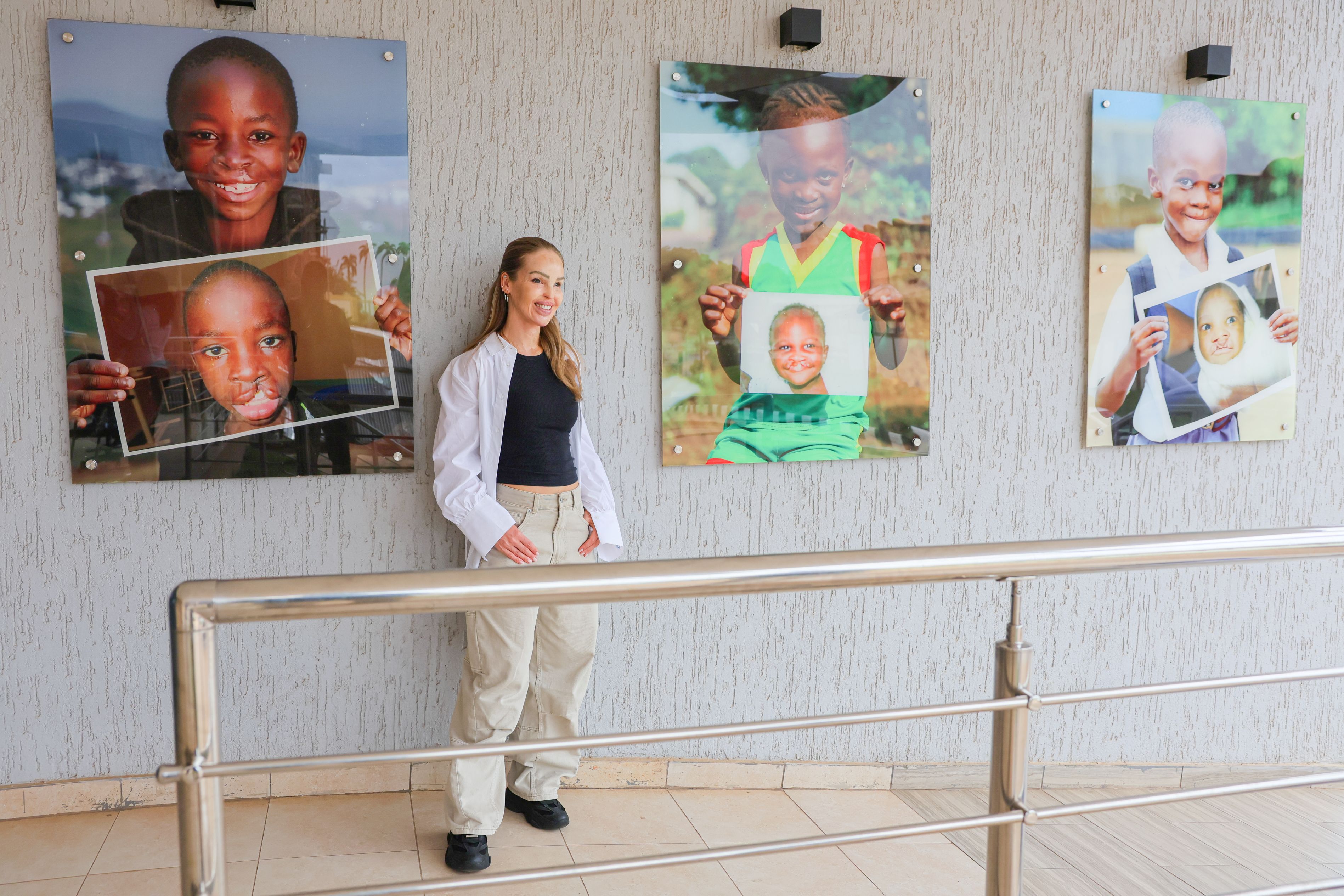
We saw this first-hand last month when we worked with the campaigner Katie Piper, Global Ambassador for our client Smile Train, to promote her visit to the charity's National Cleft Care Centre in Kumasi, Ghana.
Our media strategy was to offer an exclusive interview to a national newspaper, with pictures and video from her trip. This led to a double-page spread in the Daily Mirror, Sunday People, and coverage online in mirror.co.uk and two syndicated features. In total, a single interview generated five pieces of coverage along with a number of social media posts from The Mirror
We also secured an interview for Katie on the Netmum’s podcast, one of the fastest growing parenting platforms with a huge reach.
Drawing on our experience of working with celebrities, here are our tips on how to make the most of these partnerships.
- Start with the agent early. Have early conversations with the celebrity's agent to understand their motivations for supporting the campaign, appetite for media interviews, availability, any publications or topics they want to avoid, and willingness to take part in photography or video.
- Establish clear points of contact. Agree who the main contact will be throughout the campaign - whether that's the agent, the celebrity's PR team, or both - and clarify responsibilities from the outset.
- Agree the media strategy upfront. Decide whether you want an exclusive with a single outlet or a broader media approach. If opting for an exclusive, agree interview parameters, key messages, topics that are off-limits, preferred publication timing, and how the organisation should be credited, while recognising that the piece can't be a puff piece dedicated solely to the charity.
- Build flexibility into your plans. Media timings and editorial decisions are rarely entirely within your control, so allow contingency in your campaign timeline and be prepared to adapt.
- Preparation. Provide concise briefing documents with key messages, background information, a few key campaign stats, anticipated questions, and any logistical details to help the celebrity feel confident and well prepared.
- Respect editorial boundaries. Journalists will want an authentic story rather than promotional messaging, so focus on providing compelling content and clear spokespeople rather than trying to control the final piece.
- Follow up. Ensure you follow up after each interview to check that the celebrity was happy with how the interview went and send over all coverage once live to the agent or PR team.
For further tips on working with the media, sign up to our monthly newsletter here.